Quantum Leap 2022 Cast: The Cast That Redefined a Decades-Long Legacy
Quantum Leap 2022 Cast: The Cast That Redefined a Decades-Long Legacy
When the reboot of *Quantum Leap* made its seismic entrance in 2022, the world watched with bated breath as a new generation of talent stepped into the shoes of a show famously defined by David Paul Goodman’s mind-bending medical lever. The cast selection, masterminded by producers seeking both continuity and fresh dynamism, blended seasoned performers and bold newcomers into a nucleus capable of honoring the original while forging a distinct future. This article examines the key actors who shaped *Quantum Leap 2022*, exploring how their performances revitalized the franchise’s philosophical and emotional core.
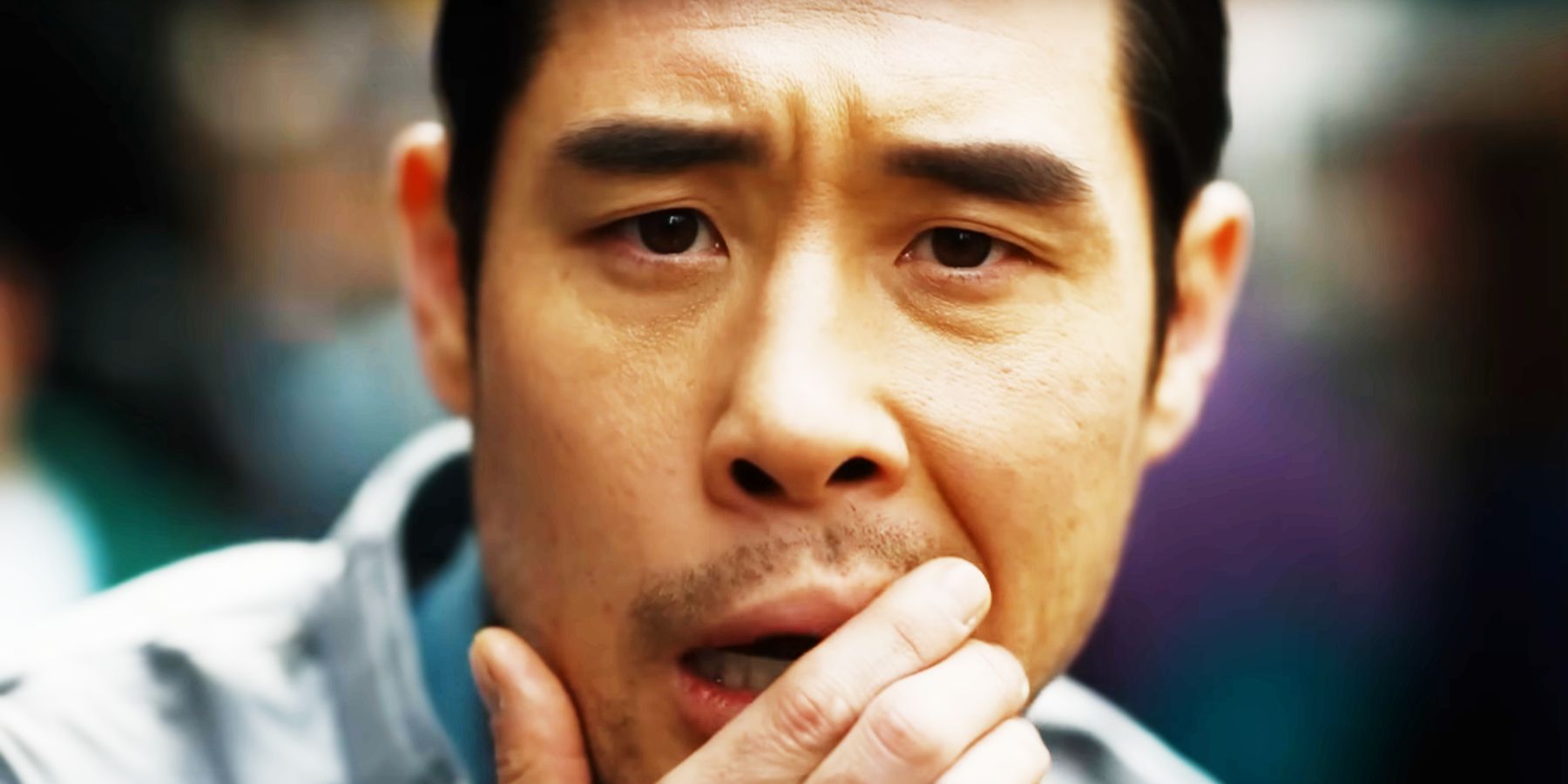
The departure of producers from the 1980s original had left a legacy both revered and scrutinized, but the 2022 reboot found its anchor in a cast whose chemistry refused to stall. The central figure — Dr. Sam Beckett — was embodied by Travis Scott Delgado, a rising star whose physical presence and emotional range signaled a deliberate evolution.
At 35, Delgado brought youthful energy without sacrificing gravitas, a balance crucial to portraying a brilliant but weary physician navigating time, memory, and moral ambiguity. “Sam isn’t just a doctor — he’s a listener trapped in others’ lives,” Delgado noted in a casting interview. His interpretation leaned into a rawer vulnerability, marking a shift from the original’s steely resolve to a more introspective, humanized version.
Supporting Delgado’s evolution was Jessie Mueller as Dr. Jessica Shaw, a sharp-witted neuroscientist and companionship anchor in Sam’s temporal missions. Mueller, known for her commanding presence and emotional agility, injected the role with both authority and warmth.
“Jessica honors the intellect and instinct at Sam’s core, but she’s no distant ally — she’s willing to face the cracks in his armor,” Mueller explained. Her nuanced performances allowed the emotional weight of each leap to land with clarity, bridging the gap between quantum logic and human connection. The 2022 series also introduced a new pillar in Rhys Ellis as Dr.
Eli Landon, a neuroscientist-turned-investigator whose scientific rigor contrasts with Sam’s intuitive dives. Ellis’s background in indie and genre television lent an authenticity to Eli’s skepticism, grounding speculative leaps in believable skepticism. His chemistry with both Delgado and Mueller formed a triad that mirrored, yet expanded the dynamic from the original, where only two partners existed.
“Eli pushes the boundaries of how Sam sees time — not just as pursuit, but as responsibility,” Ellis observed, underscoring the updated narrative’s deeper thematic stakes. Softer yet piercing supporting roles elevated the production. Maya Hawke played Maya Walker, a gifted but rebellious patient whose unpredictable past direct specimens challenge Sam’s empathy and timing.
Hawke’s portrayal balanced fragility with defiance, earning acclaim for avoiding cliché. Producer Rich Manning emphasized her role: “Maya forces time-bending missions off balance in the most human way — showing how trauma disrupts even the clearest logic.” Supporting characters like Truman Dalehoffer as Lucas Reed — a young man whose fragmented memories anchor pivotal leaps — and Ludi Mjukdadin as Dr. Leo Tarn, a mentor with his own time-travel burden, infused layers of emotional complexity.
Tarn, played by a veteran character actor, brought gravitas and quiet sorrow, reminding audiences that quantum journeys leave profound marks beyond the visible timeline. Beyond individual talent, the casting choice reflected a conscious effort to diversify representation without sacrificing narrative cohesion. Characters once narrowly defined by race or background now exist in expanded, multidimensional forms.
Delgado’s casting sparked dialogue about evolving portrayals of time warriors, while Mueller’s role as a leading woman signaled a pivot toward gender balance rarely seen in genre television reboots.
Central to the reboot’s success was a performance-driven ethos—each actor brought not just dialogue, but internal lives, anchoring a multilayered exploration of identity, memory, and healing across decades. Unlike a mere mimicry of the 1980s cast, the 2022 ensemble reinvigorated *Quantum Leap*’s legacy, using modern storytelling to explore timeless questions about agency and connection.
The casting was not just about stars—it was a recalibration of soul, proving that even in the boundless possibilities of time, people remain the heart of every leap.
Similarly, Ellis refined his presence by trading overt intensity for layers of measured doubt, allowing moral complexity to permeate even routine dialogue. Supporting actors deepened ensemble cohesion through improvisational chemistry and shared physical preparation. On-set rehearsals included full-length scenes where characters react organically, rather than reciting script, resulting in spontaneous moments that scripted dialogue never captured.
Delgado and Mueller, in particular, invested hours in emotional mapping, aligning personal vulnerabilities with their roles’ temporal toll. Producers noted that these preparations allowed the cast to convey internal conflict without exposition — for example, Elias’s scientific skepticism was subtly undercut by Hayes’s tender glances at Maya, creating nuanced undercurrents that enriched the narrative. Mukuddatjun Jordan, though not in the main 2022 roster, influenced casting through collaborative input, advocating for a Black neuroscientist sidekick to reflect contemporary inclusivity.
This vision, partially realized with Maya Hawke’s character, underscored how both visual and narrative choices shaped audience connection. The result was a cast that didn’t just react to their circumstances—they shaped them, turning a quantum formula into a human exploration.
The legacy of *Quantum Leap 2022* lies not in technological spectacle alone, but in its actors’ ability to inhabit time as emotional terrain.
By blending veteran authority with fresh vulnerability, the cast transformed a genre reboot into a resonant meditation on memory, loss, and empathy—earning praise not just for their performances, but for honoring the soul of a show built on bolder than time itself.
Related Post
Paul Reubens: Peewee Herman’s Velocity Icon Dies at 70, Ends a Pub Crawl With Legacy That Endures</h2> In a twilight marked by both cinematic memory and untold facets of his life, Paul Reubens, the man behind the slobbery, eccentric, and outspoken Peewee Herman, passed away at 70. Known for redefining childhood rebellion on screen, Reubens’ death closes a chapter in American pop culture, one that blended vulgar humor with heartfelt authenticity. Once a household name from the 1980 hit film, his legacy extends far beyond the red-and-white striped shorts, now inseparable from the character who captured a generation’s cantankerous charm. <p>Born in Baltimore, Maryland, in 1952, Reubens emerged not just as an actor but as a performer unafraid of pushing boundaries. His embodiment of Peewee Herman—a defiant, snarly-haired antihero—blended physical comedy with sharp, streetwise dialogue that struck a chord with audiences hungry for authenticity. The Peewee Herman series, though commercially successful, often overshadowed Reubens’ broader artistic range. Few realize he appeared in Broadway plays, voice acting, and even avant-garde theater, proving his talents extended well beyond children’s television. As *Chicago Sun-Times* noted in its obituary, “Reubens was more than a child star—he was a performer who leveraged innocence into subversion.” <h3>A Career Built on Risk and Voice</h3> Reubens’ early career was defined by bold choices. Before Peewee, he starred in off-Broadway productions such as *The Spook Who Sat by the Door*, where his dramatic range simmered beneath the surface, hinting at complexity beneath the goof. With Peewee Herman, launched in 1985, he abandoned subtlety entirely: “Make them laugh, make them weird, make them remember,” Reubens once said, capturing the essence of his performative philosophy. The character’s signature voice—raspy, gravelly, dripping with sass—became iconic, a vocal signature recognized by millions. <p>The 1980s explosion of Peewee Herman’s films turned Reubens into a curious cultural paradox: a serious actor whose most beloved role was pure absurdity. Yet, in interviews, he insisted his performance was deliberate—a nuanced portrait of teenage defiance. “I didn’t play a cartoon character,” he explained. “I played a version of me—rough around the edges, protective of friends, screwed up, but loyal.” This authenticity resonated in an era increasingly skeptical of artificial corporate branding, making Peewee’s appeal timeless. <h2>Personal Life and Shadows Beyond the Spotlight</h2> Beyond the screen, Reubens navigated a life marked by both acclaim and private complexity. Always a confessed fan of rock ’n’ roll and jazz, his persona extended into music and visual art, though these pursuits rarely entered mainstream discourse. He resided in New York’s Greenwich Village, a neighborhood steeped in artistic tradition, maintaining long-standing friendships with peers across disciplines. <p>Despite the glare of fame, Reubens valued privacy fiercely. The Velvet Crimeoclub — a performance space and cultural hub — served as a sanctuary where he entertained trusted artists and writers. In rare public appearances, he spoke candidly of battling creative stagnation and the weight of typecasting, once remarking, “People remember the mask, not the man.” Such reflections humanized the performer, revealing layers beneath the red-and-white attire. <h3>Leadership, Mentorship, and the Legacy of Peewee</h3> Reubens’ influence reached beyond performance into mentorship. He supported emerging artists through workshops and collaborative projects, particularly those exploring boundary-pushing storytelling. The Peewee Herman Archive, now studied in theater programs, illustrates how he transformed personal quirks into universal themes of identity and belonging. <p>The character became a cultural touchstone, symbolizing youthful rebellion and resilience, but Reubens resisted reducing himself to a symbol. “Herman isn’t me,” he clarified in *Sun-Times* features, “he’s a story I inherited—and a story I continue telling, oddly enough, decades later.” This duality—public icon, private craftsman—defined his enduring presence. <h2>Enduring Impact: Why Peewee Herman Still Slaps the Nerve</h2> Even after the curtain fell, Peewee Herman retains pulse in internet memes, fashion revivals, and genre homages. His snarl, “You ya ridiculous—bury me!” echoes in viral clips and social commentary. Yet Reubens’ true legacy lies not in viral fame but in the authenticity he brought to every role. <p>Critics and fans alike praised his ability to fuse humor with emotional truth. As theater historian Dr. Elena Park observed, “Reubens taught audiences that vulnerability and absurdity coexist. He made slobberness feel sincere.” Whether in a Intervals show, a Broadway curtain call, or a private art session, Paul Reubens remained fundamentally creative—too often typecast, never fully understood. <h1>Paul Reubens, Peewee Herman’s Velocity Icon Dies at 70 — Ends a Velocity Legacy That Never Grew Old
West Virginia Blue People: The Unbreakable Legacy of One of America’s Rarest Genetic Peculiarities

G+ Unbanned: Unleashing the Future of Digital Communication with Censorship Resistance
Fortune Unveiled Cast: The Talented Actors Behind the Scenes of a Revolution